Latin: nervus infraorbitalis
Overview
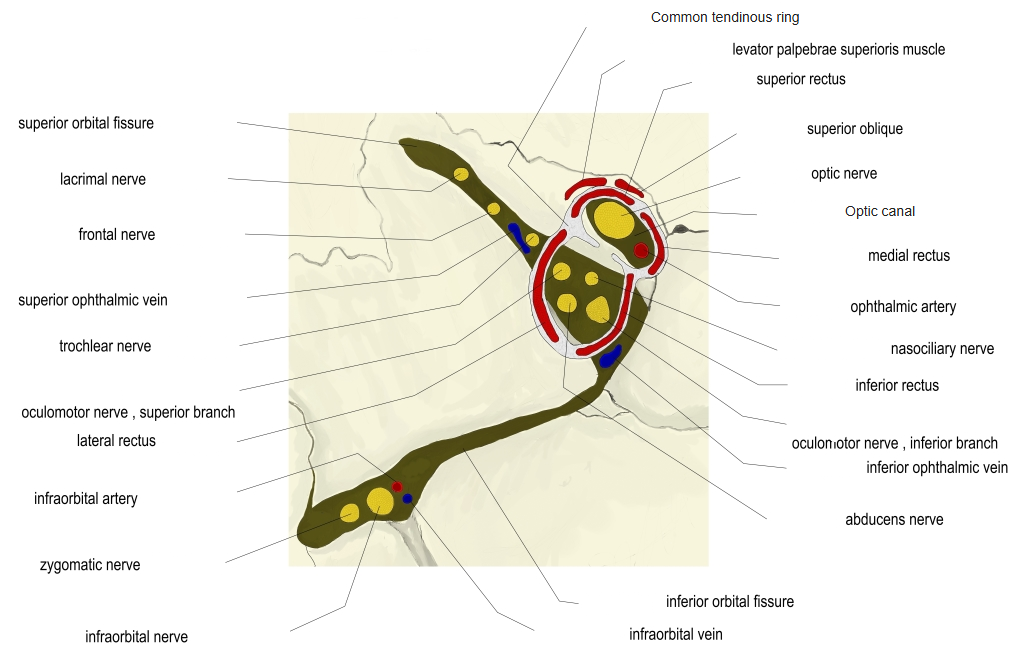
- The direct continuation of the maxillary nerve after it enters the orbit through the inferior orbital fissure.
- Runs in the infraorbital groove and canal on the floor of the orbit and emerges on the face through the infraorbital foramen.
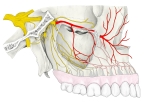
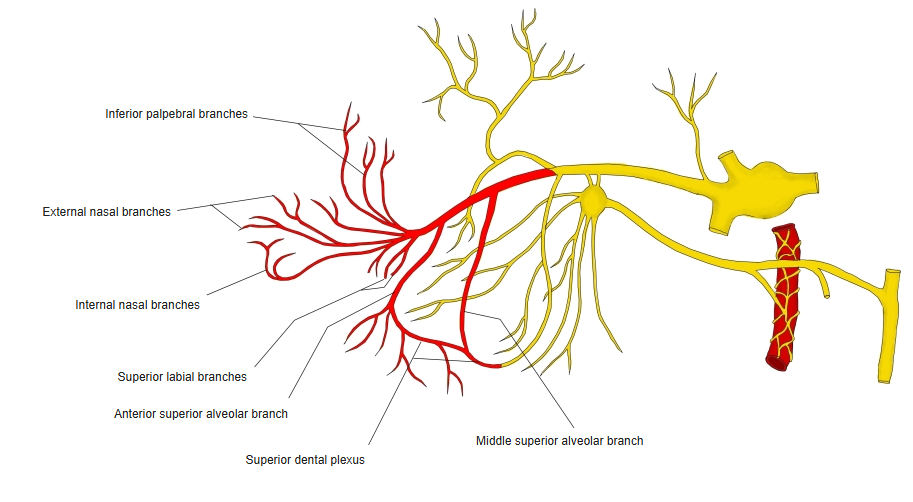
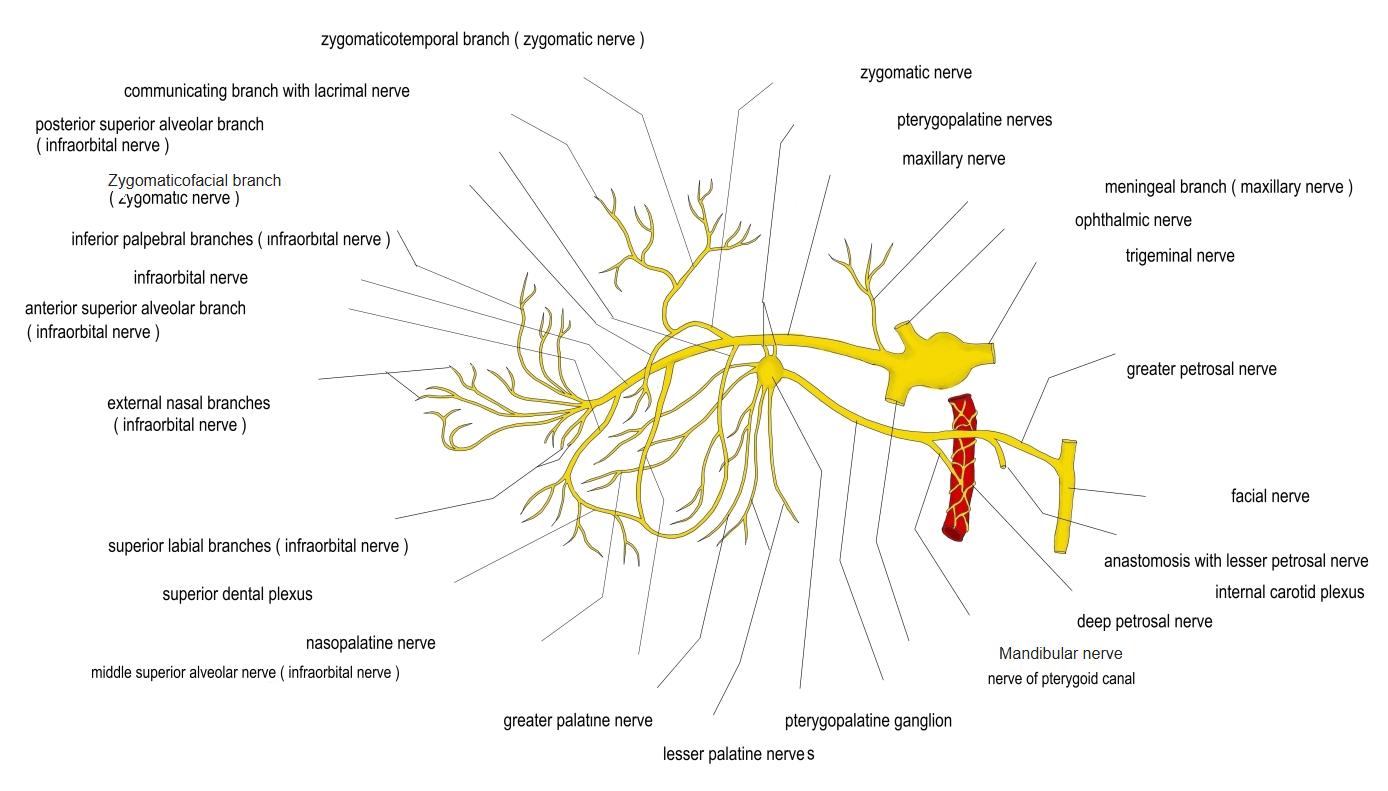
Infraorbital nerve and its branches
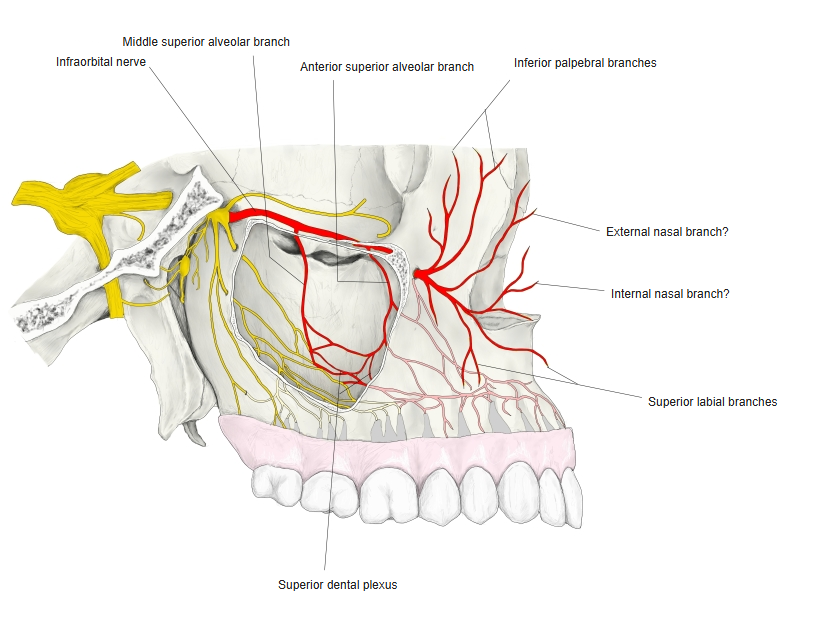
Branches
- Some texts also count the posterior superior alveolar branches as branches of the infraorbital nerve.
| Branch | Supply |
|---|---|
| Middle superior alveolar branch (in the groove) | Premolars and their gums |
| Anterior superior alveolar branches (in the canal) | Canine and incisors; a nasal branch to the nasal cavity |
| Inferior palpebral branches | Skin of the lower eyelid |
| External nasal branches | Skin of the side of the nose |
| Superior labial branches | Skin and mucosa of the upper lip |
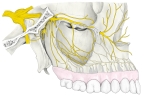
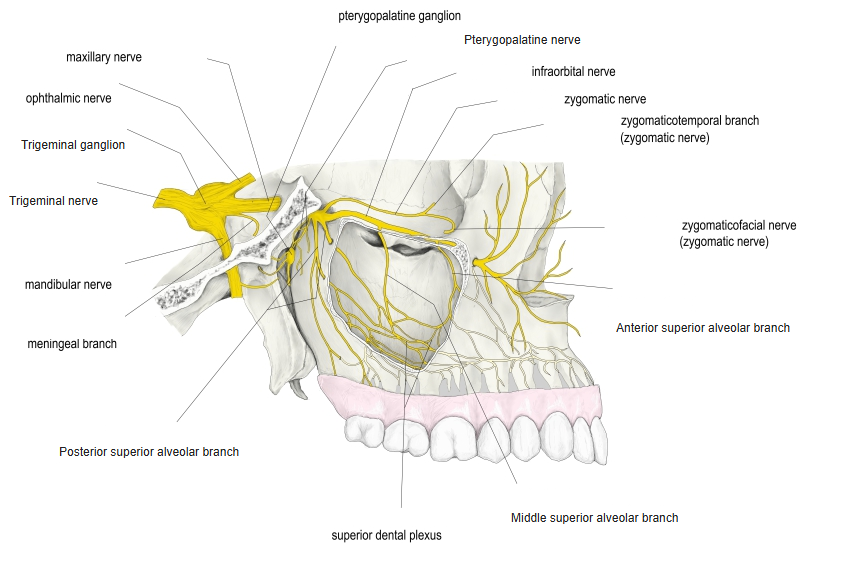
Maxillary nerve, lateral view 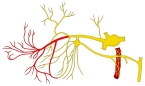
Branches of the infraorbital nerve (schematic) 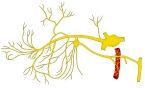
Branches of the maxillary nerve 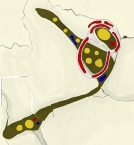
Orbital fissures and optic canal
References and sources
- Further reading: Infraorbital nerve, Wikipedia.