Latin: glandulae sudoriferae apocrinae
Overview
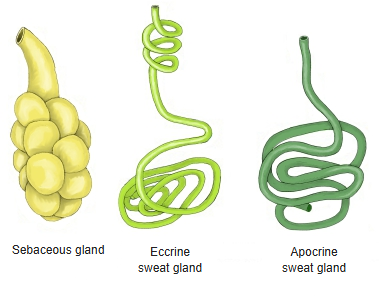
- Large sweat glands with a wide lumen, found only in certain regions.
- Their ducts open into the hair follicle, above the sebaceous gland.
- They become active at puberty.
- Their secretion is odourless at first; skin bacteria break it down into substances that cause body odour.
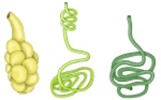
Skin glands compared
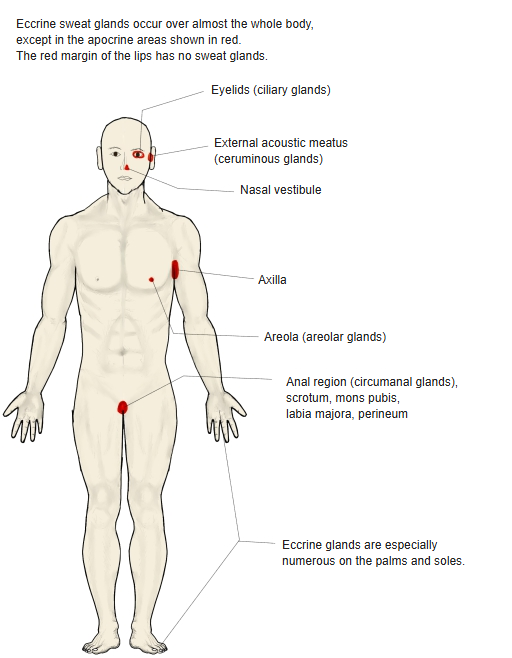
Where they occur
- Axilla, areola of the breast, around the anus, and the external genitalia (scrotum, mons pubis, labia majora, perineum).
- Modified apocrine glands: ciliary glands (Moll glands) of the eyelids, ceruminous glands of the external acoustic meatus; the mammary gland is related to them.
- Supplied by sympathetic (adrenergic) fibers; secrete in response to emotional stress.
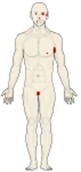
Where apocrine glands occur
References and sources
- Further reading: Apocrine sweat glands, Wikipedia.