Latin: musculus levator anguli oris · also: caninus
Overview
- One of the facial muscles (muscles of facial expression) in the group of muscles around the mouth; like the other facial muscles, one end is attached to the skin.
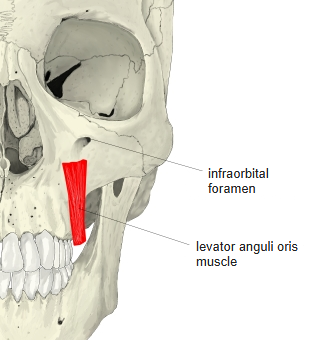
- Runs from the canine fossa, above the canine tooth and below the infraorbital foramen, to the angle of the mouth.
Position in the classification
Head › Facial muscles › Muscles around the mouth and cheek
Origin / insertion
- Origin: canine fossa of the maxilla, immediately below the infraorbital foramen; runs downward to the angle of the mouth
- Insertion: the angle of the mouth (modiolus), mingling with the zygomaticus major, depressor anguli oris and orbicularis oris; some fibres reach the skin of the lower lip
Action
- Raises the angle of the mouth
Innervation
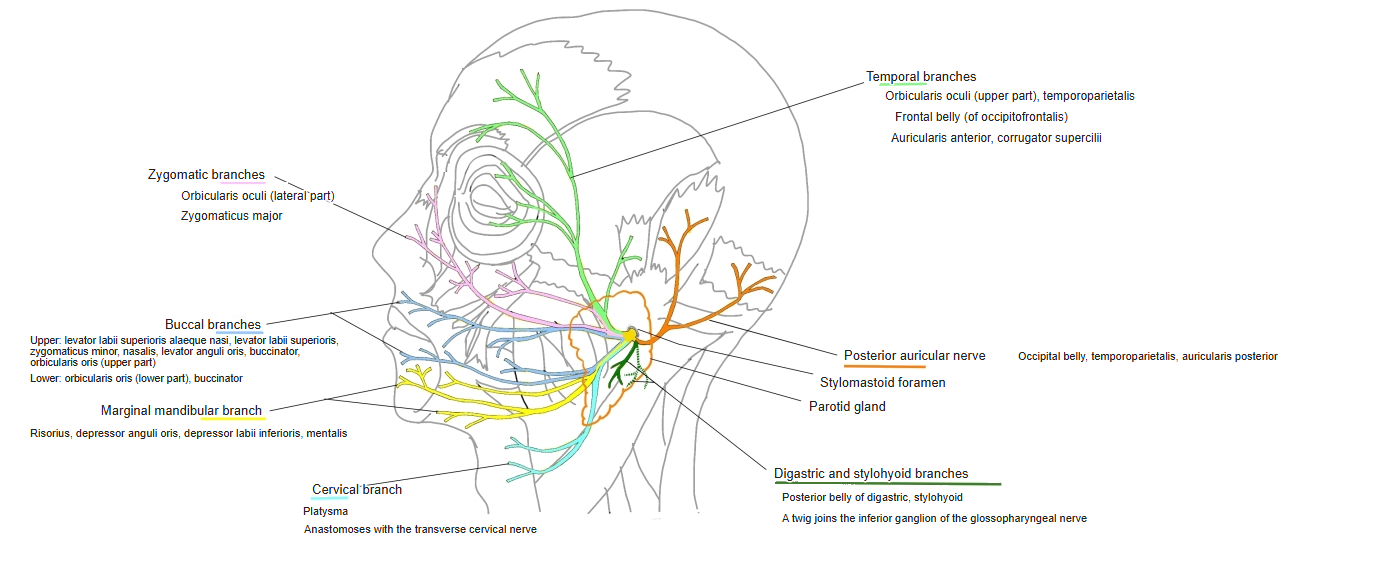
- Facial nerve (CN VII): zygomatic and buccal branches; some sources list only the buccal branches.
Blood supply
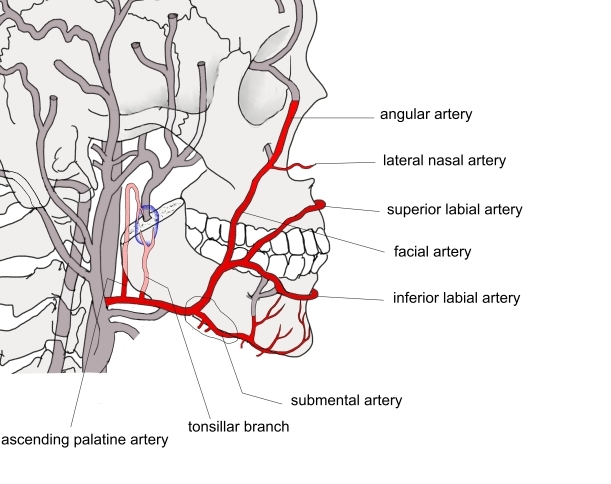
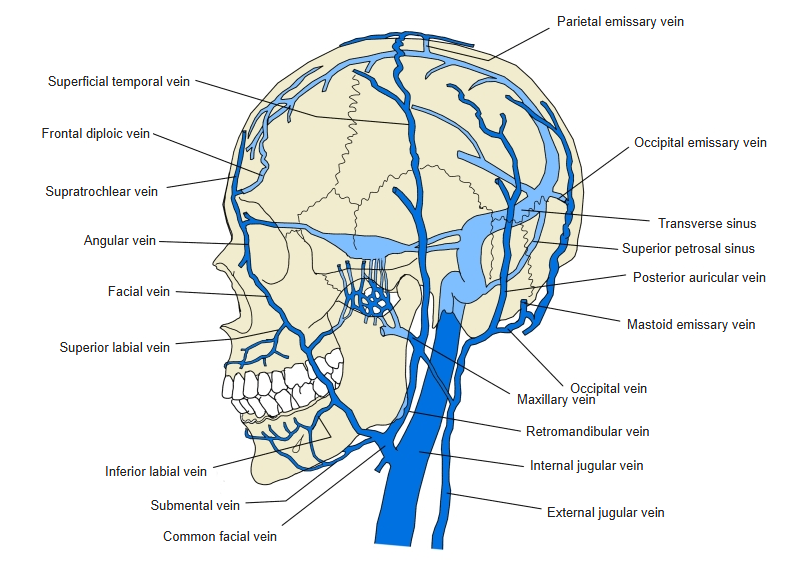
- Facial artery (superior labial branch); venous drainage by the facial vein
Related terms
- Facial muscles
- Muscles around the mouth
- Depressor anguli oris
- Orbicularis oris
- Infraorbital foramen
- Facial nerve
References and sources
- Further reading: Levator anguli oris muscle, Wikipedia.
- Gray H. Anatomy of the Human Body, 20th ed. (1918), “The Muscles of the Mouth”, Bartleby.com.